Wednesday, November 20, 2024

Profitable Bird Feeder Ideas for Beginners to Build and Sell

Profitable Bird Feeder Ideas for Beginners to Build and Sell

Profitable Bird Feeder Ideas for Beginners to Build and Sell

The world of birdwatching is a delightful hobby that brings joy to many. If you’re looking for a creative and rewarding side hustle, consider building and selling bird feeders. This venture requires minimal investment and can be tailored to your skillset and creativity. Here are some profitable bird feeder ideas perfect for beginners, allowing you to tap into this growing market.

Simple and Elegant: The Classic Bird Feeder

Start with the basics! A classic bird feeder is a timeless design that appeals to a wide range of customers. You can easily find affordable wood or recycled materials at local hardware stores or even repurpose old wooden crates. Here's how to create your classic bird feeder:

Materials:

  • Wooden board or crate
  • Screws and drill
  • Birdseed tray or a simple wooden platform
  • Weatherproof paint or stain (optional)

Instructions:

  1. Cut the wooden board to the desired size for your feeder.
  2. Attach the birdseed tray or platform to the board, ensuring it’s sturdy.
  3. Drill small holes or slots around the perimeter to create perches for birds.
  4. Apply paint or stain for a protective finish and enhance the aesthetics.

Upcycled Charm: Repurposed Containers

Give new life to old containers and demonstrate your commitment to sustainability. Repurposed feeders are trendy and attract environmentally conscious buyers. You can use:

  • Tin cans: Clean and decorate tin cans with paint, stencils, or decoupage techniques.
  • Wine bottles: Create hanging feeders by cutting the top of wine bottles and attaching a platform for birdseed.
  • Plastic jugs: Drill drainage holes in the sides and create perches around the top, providing easy access for birds.

Creative and Functional: Unique Feeder Designs

Break away from the ordinary and craft feeders with unique shapes and features. Consider these ideas to capture attention and stand out in the market:

  • Squirrel-proof feeders: Design feeders with features that prevent squirrels from accessing the birdseed, such as baffles or hanging feeders with cages.
  • Hummingbird feeders: Create colorful and attractive feeders specifically for hummingbirds using clear plastic bottles or specially designed hummingbird feeders.
  • Platform feeders: Build sturdy platforms for birds to enjoy larger seeds, like sunflower seeds and peanuts.

Marketing and Selling Your Bird Feeders

Once you’ve crafted your feeders, it’s time to bring them to market! Here are some tips for selling your creations:

  • Online Marketplaces: Etsy, Amazon Handmade, and Facebook Marketplace are great platforms to reach a wider audience.
  • Local Craft Fairs and Events: Engage directly with customers and showcase your feeders at local fairs and markets.
  • Social Media: Utilize Instagram and Facebook to create visually appealing content that highlights your unique feeders and attracts customers.
  • Word-of-Mouth: Encourage satisfied customers to spread the word about your business by offering referral programs or discounts.

Building and selling bird feeders can be a fulfilling and profitable venture. By embracing your creativity and adapting these ideas to suit your skills, you can establish a successful business in a niche market. Remember to focus on quality craftsmanship, unique designs, and excellent customer service to stand out and attract loyal customers.

DIY Wooden Jewelry Boxes with Customizable Compartments

DIY Wooden Jewelry Boxes with Customizable Compartments

DIY Wooden Jewelry Boxes with Customizable Compartments

Crafting a personalized jewelry box offers a rewarding and fulfilling woodworking project. This guide will guide you through the process of building a wooden jewelry box with customizable compartments, allowing you to tailor it perfectly to your specific needs and preferences. From selecting materials to finishing touches, we will cover every step in detail.

Materials and Tools

Before embarking on this project, ensure you have the necessary materials and tools readily available. This list provides a comprehensive overview:

Materials

  • Wood: Choose a hardwood like maple, cherry, or walnut for durability and aesthetic appeal. Alternatively, plywood can be used for a more budget-friendly option.
  • Wood glue: A high-quality wood glue is essential for strong and durable bonds.
  • Finishing materials: Select a stain, paint, or varnish based on your desired look and protection level.
  • Hardware: Hinges, a latch or lock, and decorative knobs or handles.
  • Felt or lining fabric: Soft materials for lining the interior compartments and preventing scratches.
  • Dividers: Thin wood strips or cardboard for creating compartments within the box.

Tools

  • Table saw: For cutting the wood to size and creating precise cuts.
  • Miter saw: For making accurate angled cuts for the box frame.
  • Router: For creating decorative edges and grooves.
  • Drill press: For drilling holes for hinges, latch, and knobs.
  • Sandpaper: Various grits for smoothing surfaces and removing imperfections.
  • Clamps: For securing wood pieces during assembly and gluing.
  • Measuring tape: For accurate measurements and planning.
  • Pencil: For marking cuts and design elements.

Design and Planning

The first step in creating a customized jewelry box is to carefully plan its design. Consider the following factors:

Size and Shape

Determine the desired dimensions of the box, taking into account the amount of jewelry you want to store. Consider a rectangular or square shape for a classic look, or explore more intricate designs like a hexagon or octagon.

Compartment Layout

Sketch out the layout of the compartments, keeping in mind the size and types of jewelry you plan to store. Consider dedicated spaces for rings, necklaces, earrings, bracelets, and other accessories.

Depth and Height

Decide on the appropriate depth and height of the compartments based on the jewelry you will be storing. Ensure sufficient space to accommodate larger pieces and prevent items from getting tangled.

Exterior Design

Choose a finishing style for the exterior of the box. Consider using a natural wood finish, painting it a specific color, or adding decorative details such as inlays, carvings, or laser etching.

Construction

With your design finalized, it's time to start construction. Follow these steps:

Cutting the Wood

Cut the wood panels to the desired size using a table saw or miter saw. Use accurate measurements and double-check your cuts before proceeding.

Assembling the Box Frame

Create the box frame by joining the side panels, top, and bottom. Use wood glue and clamps to secure the joints, ensuring a tight and square fit. If desired, add decorative details like mitered corners or rounded edges.

Adding Interior Compartments

Install dividers to create compartments within the box. Use thin wood strips or cardboard for this purpose, ensuring they are securely attached using glue or screws.

Attaching the Hinges and Latch

Drill holes for the hinges using a drill press and attach them to the box frame. Use screws for a secure attachment. Install the latch or lock on the opposite side of the box, ensuring proper alignment.

Adding a Bottom

Cut a bottom panel to fit the interior of the box and attach it using glue or screws. Ensure the bottom is flush with the sides of the box.

Finishing Touches

Once the construction is complete, it's time to add the final touches to your jewelry box.

Sanding and Finishing

Sand all surfaces smooth using sandpaper of varying grits, starting with a coarser grit and gradually progressing to a finer one. Apply the desired stain, paint, or varnish, following the manufacturer's instructions.

Lining the Interior

Cut pieces of felt or lining fabric to fit the interior of the box and compartments. Use glue or adhesive tape to attach the lining, creating a soft and protective surface for your jewelry.

Adding Hardware

Install knobs or handles on the box lid or front. If using a latch or lock, ensure it is properly installed and functions smoothly.

Final Inspection

Carefully inspect the finished jewelry box for any imperfections or loose parts. Make any necessary adjustments to ensure it is ready for use.

Tips and Suggestions

  • Consider adding a small mirror to the inside of the lid for easier viewing of jewelry.
  • Use felt-lined dividers or trays to create separate compartments for different types of jewelry.
  • Add a drawer to the bottom of the box for additional storage.
  • Experiment with different wood types and finishes to create a unique and personalized design.
  • Don't be afraid to get creative and experiment with different designs and techniques.

Conclusion

Building a DIY wooden jewelry box with customizable compartments allows you to create a functional and aesthetically pleasing piece of furniture that perfectly suits your needs. By following this guide, you can turn your woodworking skills into a cherished and personalized storage solution for your precious jewelry.

Tuesday, November 19, 2024

How to Make Wooden Chess Tables with Custom Features for Extra Profit

How to Make Wooden Chess Tables with Custom Features for Extra Profit

Crafting Custom Wooden Chess Tables for Enhanced Profitability

The chess table market is brimming with potential for skilled woodworkers seeking to generate substantial profit. Offering custom-designed chess tables with unique features allows you to differentiate your products, cater to specific client needs, and command premium prices. This comprehensive guide outlines the key steps involved in building custom wooden chess tables, incorporating captivating features that will elevate your creations and ensure lucrative returns.

Understanding the Market and Your Target Audience

Before embarking on your custom chess table venture, it is crucial to understand the market dynamics and identify your target audience. Conduct thorough research to determine the prevailing trends, popular styles, and price points. Consider factors such as:

  • Target demographic: Are you aiming for hobbyists, competitive players, or collectors?
  • Budget range: What price points are your target customers willing to pay for custom-designed tables?
  • Desired features: What features do customers prioritize, such as storage compartments, intricate carvings, or specialized playing surfaces?
  • Competitor analysis: Identify your competitors, their pricing strategies, and unique selling propositions.

By understanding your target market, you can tailor your designs, pricing, and marketing efforts to effectively reach your ideal customers.

Designing Custom Chess Tables with Unique Features

The key to commanding higher prices for your custom chess tables lies in offering unique and desirable features that set your creations apart. Here are some compelling ideas for custom features:

Aesthetic Enhancements

  • Intricate Carvings: Incorporate elaborate carvings on the table legs, borders, or even the chessboard itself. Consider themes like dragons, mythical creatures, or intricate floral patterns.
  • Hand-Painted Designs: Employ skilled artisans to paint custom designs on the table surface, borders, or even the chess pieces. This adds an element of personalized art to your creation.
  • Inlays and Veneers: Use contrasting wood species, precious metals, or colorful stone inlays to create striking patterns and textures on the playing surface or table top.
  • Unique Shapes and Styles: Explore non-traditional table shapes like octagons or rounded rectangles. Design unique table legs, incorporating elegant curves or stylized motifs.

Functional Features

  • Storage Compartments: Integrate hidden compartments within the table for storing chess pieces, game books, or other accessories.
  • Drawers and Cabinets: Create functional drawers beneath the playing surface to house chess sets, score sheets, or personal items.
  • LED Lighting: Incorporate strategically placed LED lighting to illuminate the chessboard, providing a dramatic and practical feature for evening play.
  • Built-in Scoreboard: Design a fold-out or retractable scoreboard integrated into the table for easy tracking of the game.
  • Customizable Chessboard: Offer options for different wood species, sizes, or even personalized engravings on the chessboard itself.

Choosing the Right Materials and Construction Techniques

The materials and construction techniques you employ will significantly impact the quality, durability, and overall aesthetic of your custom chess tables. Consider the following factors:

Wood Species

  • Hardwoods: Opt for durable and visually appealing hardwoods like oak, walnut, cherry, or maple. These woods offer strength, stability, and beautiful grain patterns.
  • Exotic Woods: For a truly luxurious feel, consider incorporating exotic hardwoods like mahogany, ebony, or rosewood. These woods add an air of elegance and exclusivity.
  • Wood Veneers: Use wood veneers to create visually stunning patterns and textures on the table surface, while maintaining affordability.

Construction Techniques

  • Mortise and Tenon Joints: These strong and traditional joints provide a sturdy foundation for the table.
  • Dovetail Joints: Dovetail joints offer exceptional strength and are often used for constructing drawers or cabinet compartments.
  • Glue and Screw Assembly: This technique can be used for securing various table components, ensuring a robust and reliable construction.

Pricing Your Custom Chess Tables

Determining the right price for your custom chess tables is crucial for maximizing profitability. Consider the following factors:

  • Cost of Materials: Calculate the cost of all materials used, including wood, hardware, finishes, and any specialty components.
  • Labor Costs: Account for the time invested in design, fabrication, assembly, and finishing. Factor in your hourly rate or labor costs per project.
  • Custom Features: Assign a premium price for custom features, such as intricate carvings, hand-painted designs, or specialized storage compartments.
  • Competitive Pricing: Research the pricing of comparable custom chess tables in the market to establish a competitive yet profitable price point.
  • Profit Margin: Determine a desirable profit margin that covers your overhead costs and provides a reasonable return on your investment.

Marketing and Selling Your Custom Chess Tables

Once you have crafted exquisite custom chess tables, it's time to market and sell your creations effectively. Here are some proven strategies:

  • Online Presence: Establish a professional website or online storefront to showcase your work, highlight your unique features, and provide detailed product information.
  • Social Media Marketing: Utilize platforms like Instagram, Facebook, or Pinterest to showcase your creations, engage with potential customers, and build a strong brand identity.
  • Online Marketplaces: List your custom chess tables on platforms like Etsy, eBay, or specialized woodworking marketplaces to reach a wider audience.
  • Local Craft Fairs and Art Shows: Participate in local events to showcase your handcrafted chess tables and engage directly with potential buyers.
  • Partnerships and Collaborations: Explore collaborations with local art galleries, furniture stores, or chess clubs to expand your reach and generate leads.

Conclusion

Crafting custom wooden chess tables offers a lucrative opportunity for skilled woodworkers to express their creativity, cater to individual needs, and generate substantial profit. By understanding the market, incorporating unique features, choosing the right materials and construction techniques, and implementing effective marketing strategies, you can establish a thriving business that caters to the growing demand for exquisite and personalized chess tables.

Monday, November 18, 2024

DIY Wood Wall Clocks That Are Perfect for Gifts and Special Occasions

DIY Wood Wall Clocks That Are Perfect for Gifts and Special Occasions

DIY Wood Wall Clocks: Unique Gifts for Every Occasion

Looking for a thoughtful and personalized gift that's sure to impress? Look no further than a DIY wood wall clock! These charming timepieces add a touch of warmth and character to any space, and they're incredibly versatile. Whether you're celebrating a birthday, housewarming, or just want to show someone you care, a handcrafted wood clock is a unique and meaningful present that's sure to be cherished for years to come.

Why Choose a DIY Wood Wall Clock?

There are many reasons why DIY wood wall clocks make such wonderful gifts:

  • Uniqueness: Each clock is a one-of-a-kind creation, reflecting your personal touch and the recipient's taste.
  • Personalization: Customize the design with special colors, engravings, or even family photos, making it an extra-special treasure.
  • Thoughtfulness: The time and effort you put into crafting the clock will be truly appreciated by the recipient.
  • Sustainability: By using wood, you're opting for an eco-friendly material that adds a touch of natural beauty to the home.
  • Affordability: Compared to store-bought clocks, DIY versions are surprisingly budget-friendly, letting you save money while creating something truly special.

Getting Started: Essential Supplies and Tools

Before you begin your crafting adventure, gather the necessary supplies and tools. You'll need:

  • Wood: Choose a sturdy wood like plywood or MDF for the base of your clock. Pine and birch are also popular choices.
  • Clock Mechanism: This includes the hands, the movement, and a mounting nut. You can find these at most craft stores or online.
  • Sandpaper: Use different grits (fine and coarse) to smooth out the wood and create a polished finish.
  • Wood Stain or Paint: Opt for a color that complements the recipient's decor or reflects their personal style.
  • Brushes or Sprayer: These will help you apply stain or paint evenly.
  • Clear Coat: A protective layer of sealant, like polyurethane, protects the wood and enhances its longevity.
  • Drill and Drill Bits: Necessary for making the hole for the clock mechanism and any decorative elements.
  • Pencil: For marking out design elements and making measurements.
  • Measuring Tape: To ensure accurate sizing and placement of components.
  • Safety Glasses and Gloves: For protecting yourself while working with power tools and wood.

Design Ideas: Unleash Your Creativity

The beauty of DIY wood wall clocks lies in the endless design possibilities. Let your creativity flow and personalize your clock according to your preferences. Here are some inspirational ideas to get you started:

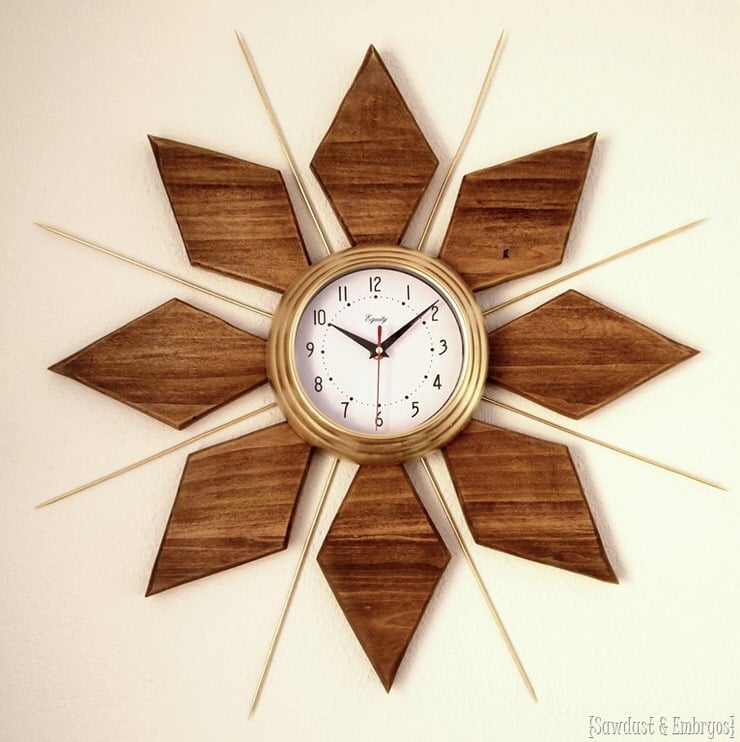
  • Geometric Patterns: Create a striking visual with bold geometric shapes cut from wood and arranged in a unique design.
  • Natural Elements: Incorporate elements like wood slices, bark, or dried flowers for a rustic and organic look.
  • Personalized Messages: Engrave a meaningful quote, a loved one's name, or a special date for a truly sentimental touch.
  • Upcycled Wood: Give old wooden pieces a new life by incorporating them into your clock design.
  • Family Photos: Create a unique photo clock by using a wood base as a frame for favorite family pictures.

Step-by-Step Guide: Crafting Your Masterpiece

Once you've gathered your supplies and chosen your design, it's time to craft your wood wall clock. Follow these steps for a successful project:

1. Prepare the Wood Base:

Cut the wood to your desired size and shape. Sand the edges and surfaces thoroughly to create a smooth, even finish.

2. Apply Stain or Paint:

If you're using stain, apply a thin layer to the wood and allow it to dry completely. For paint, apply two coats, letting each layer dry before applying the next.

3. Design and Cut:

If your design includes intricate shapes or cuts, use a jigsaw or scroll saw to cut out the desired shapes. Be sure to wear safety glasses and work carefully.

4. Add Decorative Elements:

Apply any additional decorative elements like wood slices, beads, or small metal pieces. Secure these using glue or screws.

5. Attach the Clock Mechanism:

Use a pencil to mark the center of the clock base. Drill a hole large enough to accommodate the mounting nut. Secure the clock mechanism in place using the provided nut.

6. Apply a Protective Coat:

Finish the clock by applying a layer of clear coat, such as polyurethane, to protect the wood and enhance its durability.

7. Hang Your Clock:

Attach a hanger or hook to the back of the clock for easy hanging.

Crafting Tips for Beginners

Making a wood wall clock is a rewarding experience, even for beginners. Here are a few helpful tips:

  • Start Simple: If you're new to woodworking, begin with a basic design and gradually work your way up to more complex creations.
  • Practice on Scrap Wood: Test your cutting and sanding techniques on scrap pieces of wood before working on the actual clock base.
  • Use Templates: Utilize stencils or templates to help you create precise shapes and patterns.
  • Seek Inspiration: Browse online and in magazines for ideas and techniques to spark your creativity.

Beyond Gifts: DIY Wood Wall Clocks for Your Home

Not only are DIY wood wall clocks fantastic gifts, but they're also a wonderful way to personalize your own home decor. Create a statement piece for your living room, a cozy clock for your bedroom, or a whimsical timepiece for your child's room. The possibilities are endless!

Wednesday, November 13, 2024

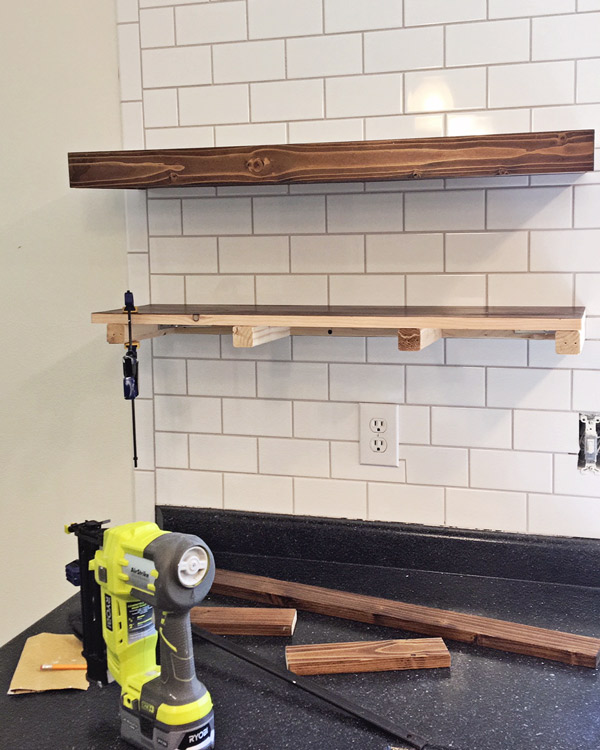
How to Create Floating Shelves with a Vintage or Coastal Style

How to Create Floating Shelves with a Vintage or Coastal Style

How to Create Floating Shelves with a Vintage or Coastal Style

Hey there, DIY enthusiasts! Ready to add some personality and storage space to your home? Floating shelves are a fantastic way to do just that. And when you give them a vintage or coastal twist, they become real conversation starters. Let's dive into creating some stylish shelves together!

Choosing the Right Wood

The heart of your floating shelves is the wood. This is where you get to express your vintage or coastal vibes. Think about the look you want to achieve:

Vintage Charm

  • Reclaimed wood: Give those old barn boards a new lease on life! The natural imperfections and weathered finish are perfect for that rustic vintage look.
  • Antique pine: Its warm tone and knots tell stories of a bygone era. Look for boards with a slightly distressed finish for extra authenticity.
  • Dark woods: Mahogany, walnut, or cherry stained in rich, dark hues create an elegant vintage feel, evoking classic libraries or antique shops.

Coastal Serenity

  • Driftwood: Embrace the ocean's bounty! Driftwood adds a natural, organic element with its unique shapes and textures.
  • Light-toned woods: Think bleached oak, pine, or maple. They create a light and airy feel, reminiscent of sandy beaches.
  • Coastal-inspired finishes: Whitewashing, distressing, or using a light blue or green stain can enhance the beachy vibe.

Bracing for Success: Choosing the Right Brackets

Your brackets aren't just holding up the shelves â€" they're part of the design! Choose carefully based on your style:

Vintage Flair

  • Iron or metal brackets: They offer a sturdy and industrial look, often with intricate details and finishes that enhance the vintage aesthetic.
  • Rustic wood brackets: Look for brackets made from reclaimed wood or with a distressed finish to complement your vintage shelves.
  • Vintage-inspired metalwork: Ornate ironwork, scrolled designs, or brackets with a hammered finish add a touch of elegance and history.

Coastal Chic

  • Marine-inspired brackets: Rope-wrapped, nautical-themed, or even shaped like seashells can add a touch of coastal charm.
  • White or light-toned metal brackets: They blend seamlessly with the light, airy coastal style.
  • Simple, minimalist brackets: Let the natural beauty of the wood and the coastal surroundings take center stage with sleek, unobtrusive brackets.

DIY Steps: Building Your Vintage or Coastal Floating Shelves

Now for the fun part â€" building your shelves! You'll need some basic tools and materials:

  • Wood for the shelves
  • Brackets (make sure they're compatible with your chosen wood thickness)
  • Screws (appropriate for the wood and brackets)
  • Level
  • Tape measure
  • Pencil
  • Drill
  • Saw (if you need to cut the wood to size)
  • Sandpaper
  • Finish (stain, paint, varnish, etc.)

Step 1: Measure and Mark

Decide on the placement of your shelves and the width you want. Measure carefully and mark the wall with a pencil. Make sure the brackets are spaced evenly and that the shelf is level.

Step 2: Install Brackets

Use your drill to pre-drill holes for the screws in the wall. This helps prevent splitting. Then, install the brackets, ensuring they're level and securely fastened. Remember to check if you're drilling into studs for extra support.

Step 3: Prepare the Wood

Cut your wood to size, if needed. Sand down any rough edges for a smooth finish. Apply your desired stain, paint, or other finishing touches. Let everything dry thoroughly.

Step 4: Attach the Shelves

Once your shelves are finished, attach them to the brackets. Be careful not to overtighten the screws. Check that the shelf is level and secure.

Styling Tips: Adding That Extra Touch of Vintage or Coastal

Now it's time to bring your shelves to life! Here's how to style them with a vintage or coastal flair:

Vintage Styling

  • Antique books: Add a touch of history with stacks of weathered books or antique journals.
  • Vintage photographs: Create a nostalgic feel with framed photos of loved ones or old family portraits.
  • Collectibles: Showcase your vintage finds â€" old clocks, porcelain figurines, or antique vases.
  • Rustic baskets: Add texture and warmth with woven baskets filled with throw blankets or decorative items.
  • Vintage-inspired lighting: A vintage pendant light or table lamp adds a cozy, warm glow to the room.

Coastal Styling

  • Seashells and coral: Bring the ocean indoors with collections of seashells, coral, and driftwood.
  • Nautical accents: Add a touch of maritime charm with anchors, compasses, or model ships.
  • Beachy textiles: Use woven baskets, seagrass rugs, or throws with nautical stripes or coastal-inspired patterns.
  • Coastal artwork: Frame prints of seascapes, lighthouses, or coastal scenes.
  • Live plants: Add a natural touch with plants like succulents, ferns, or seagrass.

There you have it â€" a guide to creating floating shelves with a vintage or coastal twist! Remember, the key is to let your personality shine through and create a space that you love. Have fun experimenting and enjoy the process of making your shelves your own! Happy building!

Handmade Wood Gifts for Cherished Occasions

Handmade Wood Gifts for Cherished Occasions

Handmade Wood Gifts for Cherished Occasions

In a world overflowing with mass-produced trinkets, there's something truly special about a handmade gift. And when that gift is crafted from wood, it takes on an extra layer of warmth, authenticity, and enduring beauty. Wood, a natural and timeless material, speaks to the heart, carrying a sense of history and craftsmanship. It's no wonder that handmade wood gifts are becoming increasingly sought after for cherished occasions.

Whether you're celebrating a birthday, anniversary, graduation, or just want to show someone you care, a handmade wood gift is a thoughtful and unique way to express your feelings. Not only does it demonstrate your creativity and effort, but it also creates a lasting memory that the recipient will treasure for years to come.

The Magic of Handmade Wood Gifts

What makes handmade wood gifts so special? It's the fusion of nature's beauty with human creativity. Each piece is a testament to the skill and artistry of the maker, infused with a unique story. Here are some key reasons why handmade wood gifts are cherished:

Uniqueness and Personalization

No two pieces of wood are alike, and the same goes for handmade wood gifts. Each one is a one-of-a-kind creation, reflecting the maker's personal touch and style. You can often personalize these gifts with engravings, custom designs, or even incorporate special elements like family crests or cherished dates.

Durability and Longevity

Wood is a naturally durable material, known for its strength and resilience. Handmade wood gifts are built to last, making them a timeless investment that can be passed down through generations. Unlike mass-produced items, they're less likely to break or become outdated.

Warmth and Authenticity

Wood has a natural warmth and charm that's hard to replicate with synthetic materials. Its grain patterns, knots, and imperfections add character and personality to each piece. The feel of wood is soothing and grounding, making it a perfect choice for gifts that evoke positive emotions and create a sense of comfort.

Sustainability and Eco-Friendliness

Choosing handmade wood gifts often means supporting sustainable practices. Many makers use ethically sourced wood and employ environmentally conscious methods. This makes them a more responsible choice compared to products manufactured in large factories with questionable environmental practices.

Ideas for Handmade Wood Gifts

The possibilities for handmade wood gifts are truly endless! From practical home decor to sentimental keepsakes, you can find a perfect gift for every occasion and recipient.

Home Decor

  • Wooden Wall Art: A custom-made wooden wall art piece can be a striking focal point in any room. You can find various styles, from minimalist geometric designs to intricate landscapes and portraits.
  • Wooden Serving Tray: A beautifully crafted serving tray is a practical and elegant gift for any home chef or entertainer. It's perfect for serving cheese and crackers, appetizers, or drinks.
  • Wooden Cutting Board: A personalized cutting board is a timeless kitchen essential. It can be engraved with the recipient's name or a special message, making it a thoughtful and useful gift.
  • Wooden Coasters: Set of unique and handmade wooden coasters add a touch of style and functionality to any coffee table. Choose from a range of shapes, sizes, and finishes.
  • Wooden Candle Holders: A handcrafted wooden candle holder adds a warm and inviting ambiance to any space. Select from rustic, modern, or minimalist designs to match the recipient's taste.
  • Sentimental Keepsakes

  • Personalized Wooden Box: A custom-made wooden box is perfect for storing jewelry, keepsakes, or other treasures. You can personalize it with an engraved message, initials, or a special date.
  • Wooden Photo Frame: A handcrafted wooden photo frame is a timeless way to display cherished memories. Choose from classic, rustic, or modern designs to complement the photograph.
  • Wooden Memory Box: A wooden memory box is a special gift for preserving memories and keepsakes. It can be decorated with engravings, painted details, or vintage elements to make it truly unique.
  • Wooden Engraved Jewelry: A personalized piece of wooden jewelry, such as a necklace, bracelet, or ring, is a beautiful and sentimental gift for a loved one.
  • Practical and Useful Gifts

  • Wooden Utensil Set: A handcrafted wooden utensil set, including a spatula, spoon, and tongs, is a practical and stylish addition to any kitchen. It's eco-friendly and durable, making it a long-lasting gift.
  • Wooden Pen and Pencil Set: A beautifully crafted wooden pen and pencil set is a thoughtful gift for writers, artists, and anyone who appreciates quality stationery.
  • Wooden Key Holder: A custom-made wooden key holder is a practical and decorative way to keep keys organized and easily accessible. It can be personalized with the recipient's name or initials.
  • Wooden Phone Stand: A handcrafted wooden phone stand adds a touch of sophistication to any desk or nightstand. It's perfect for holding a phone upright for video calls, watching videos, or simply charging.
  • Finding the Perfect Handmade Wood Gift

    Once you've decided on the type of gift you want, it's time to find a skilled artisan or shop that specializes in handmade wood crafts. Here are some helpful tips:

  • Explore Local Markets and Craft Fairs: These events often feature talented woodworkers showcasing their unique pieces.
  • Search Online Marketplaces: Websites like Etsy and Shopify offer a wide selection of handmade wood gifts from artisans around the world.
  • Check Out Local Woodworking Shops: Many local woodworking shops offer custom-made pieces, allowing you to create a truly unique gift.
  • Look for Certifications and Sustainability: If you're concerned about environmental practices, look for makers who use certified sustainable wood or who are members of organizations promoting responsible forestry.
  • Adding a Personal Touch

    To make your handmade wood gift extra special, consider adding a personal touch. You can:

  • Engrave a Message: A simple inscription or a heartfelt quote can transform a gift into a cherished keepsake.
  • Add a Handwritten Note: A handwritten note expressing your love, appreciation, or congratulations will add a personal touch that will be treasured.
  • Include a Gift Wrap: Choose a natural material like burlap, kraft paper, or recycled paper for a sustainable and eco-friendly wrapping.
  • Handmade wood gifts are more than just objects; they are expressions of creativity, care, and thoughtfulness. They're a testament to the enduring power of craftsmanship and a celebration of the beauty of natural materials. So, next time you're looking for a gift that's truly special, consider giving a handmade wood gift that will be cherished for years to come.

    Tuesday, November 12, 2024

    Free Coffee Table Plans PDF for DIY Enthusiasts

    Free Coffee Table Plans PDF for DIY Enthusiasts

    Free Coffee Table Plans PDF for DIY Enthusiasts: Build Your Dream Table Today!

    Hey there, fellow DIYers! Are you looking to add a touch of personality and practicality to your living room? Look no further than building your very own coffee table! It's a project that's surprisingly achievable, even for beginners. And the best part? You can do it without breaking the bank!

    We've got a fantastic selection of free coffee table plans PDF downloads waiting for you. These plans are designed to guide you through every step of the process, from choosing the right materials to assembling your masterpiece.

    Why Choose a DIY Coffee Table?

    You might be wondering, "Why bother with a DIY project when I could just buy a ready-made coffee table?" Well, here's why crafting your own table is a fantastic idea:

    • Unique Style: Ditch the mass-produced look and create a table that truly reflects your taste. Choose from a variety of designs, materials, and finishes to personalize your piece.
    • Cost Savings: Building your own coffee table can save you a significant amount of money compared to buying one from a furniture store.
    • Sense of Accomplishment: There's nothing quite like the satisfaction of completing a DIY project. You'll be proud to show off your handiwork to family and friends.
    • Fun and Relaxing: Working on a DIY project can be a fun and relaxing activity. It's a great way to unwind and let your creativity flow.

    The Ultimate Guide to Choosing the Right Coffee Table Plan for You

    With so many amazing coffee table plans available, it can be overwhelming to choose the right one for your needs. Here are some factors to consider:

    1. Your Space and Style

    Think about the size and style of your living room. A large coffee table might be overwhelming in a small space, while a petite one might get lost in a spacious room. Consider the style of your existing furniture and choose a plan that complements it.

    2. Your Skill Level

    Don't bite off more than you can chew! If you're a beginner, start with a simpler design. More complex plans often involve intricate cuts, joints, and finishing techniques that may be challenging for a novice.

    3. Your Budget

    Some plans call for expensive hardwoods or specialized tools. Consider your budget when choosing a plan and selecting materials.

    4. Your Available Time

    Some projects can be completed in a weekend, while others might take several days or even weeks. Choose a plan that fits your available time and commitment.

    Essential Tools and Materials for Your DIY Coffee Table

    Before you start building, gather the necessary tools and materials. Here's a general list, but be sure to check your specific plan for details:

    • Wood: This is the foundation of your coffee table! Choose a wood that's suitable for your design, budget, and desired finish. Popular choices include pine, oak, maple, and plywood.
    • Screws and Nails: You'll need these to secure the various pieces of your table.
    • Wood Glue: This helps create strong and lasting bonds between wood pieces.
    • Saw: A circular saw or jigsaw will be needed to cut your wood to size.
    • Drill: A drill with various drill bits is essential for creating pilot holes for screws and for assembling your table.
    • Sandpaper: Use sandpaper to smooth out the wood surface and prepare it for finishing.
    • Finish: Choose a finish that complements your wood and your desired look. Options include paint, stain, varnish, and polycrylic.
    • Measuring Tape: This is essential for precise cuts and accurate assembly.
    • Level: Use a level to ensure that your table is straight and stable.

    Free Coffee Table Plans PDF: Download Your Favorite Design Today!

    Now that you're ready to build your dream coffee table, here are some resources where you can find free plans:

    1. Ana White

    Ana White is a renowned DIY blogger with a vast collection of free plans for all levels of builders. Her coffee table plans offer various styles, from rustic farmhouse tables to modern minimalist designs.

    2. The Wood Whisperer

    The Wood Whisperer is another popular DIY resource with comprehensive plans and video tutorials. You'll find detailed instructions and helpful tips for building stunning coffee tables.

    3. Pinterest

    Pinterest is a treasure trove of DIY inspiration! Search for "free coffee table plans" and you'll be bombarded with amazing ideas. You can even find plans specific to your desired style or material.

    4. Home Depot

    Home Depot offers a selection of free DIY plans, including coffee tables. Their plans are often geared towards beginners and provide clear instructions with detailed illustrations.

    5. Lowe's

    Lowe's also offers a library of free DIY plans, including several coffee table designs. Their plans are known for their simplicity and practical approach.

    Building Your Coffee Table: A Step-by-Step Guide

    Once you've downloaded your chosen plan and gathered your tools and materials, it's time to build! Here's a general outline of the process:

    1. Study the Plans: Carefully review your plan and understand the steps involved.
    2. Cut the Wood: Using your saw, accurately cut the wood pieces according to the plan's dimensions.
    3. Assemble the Tabletop: Join the pieces of your tabletop using screws, glue, or both.
    4. Assemble the Legs: Construct the legs according to the plan and attach them to the tabletop.
    5. Sand and Finish: Smooth out any rough edges and apply your chosen finish to create a beautiful and durable surface.

    Tips for a Successful DIY Coffee Table Project

    Here are some handy tips to ensure a smooth and enjoyable building experience:

    • Take your time: Don't rush the process. Careful measurements and accurate cuts are crucial for a well-built table.
    • Use a clamp: Clamps are your best friend when joining wood pieces. They help ensure a strong and even bond.
    • Sand between coats: Sanding between coats of finish helps create a smooth and even finish.
    • Let each coat dry completely: Before applying a new coat of finish, make sure the previous coat is completely dry.
    • Don't be afraid to ask for help: If you encounter a challenge, don't hesitate to ask for help from a more experienced DIYer or a friend who can offer guidance.

    Conclusion: Your Coffee Table, Your Way!

    Building your own coffee table is a fantastic way to express your creativity, save money, and add a personal touch to your living room. With the right plans and a little bit of effort, you can create a stunning piece of furniture that you'll cherish for years to come. So, download your favorite coffee table plans today and get started on your next DIY adventure!

    How to build a unique wooden desk with a custom drawer design

    How to build a unique wooden desk with a custom drawer design

    Building a Unique Wooden Desk with a Custom Drawer Design

    Crafting a custom wooden desk with a unique drawer design is a rewarding project that allows you to express your creativity and personalize your workspace. It's a journey that combines woodworking skills with artistic vision, resulting in a piece that is both functional and visually appealing. This article will guide you through the process, from planning to finishing, helping you transform your vision into a stunning desk that reflects your style.

    Planning Your Desk Design

    Before diving into the construction, take time to carefully plan your desk design. Consider your specific needs and preferences, including the size, shape, and functionality of the desk. Imagine the ideal work surface, the number of drawers you require, and any additional features you want to incorporate.

    Determine the Size and Shape

    Measure your available space and sketch out different desk dimensions. Think about the activities you'll perform at the desk, such as writing, drawing, or using a laptop. Decide on a shape that best suits your needs, whether it's a classic rectangular design, a sleek L-shape, or a more unconventional form.

    Design the Drawer System

    The drawers are the heart of your custom design. Sketch out a plan for the number, size, and arrangement of drawers. Consider how you'll access them, whether you want them to be visible or concealed, and how they'll integrate with the overall desk design. Explore unique drawer configurations, such as secret compartments, hidden drawers, or even angled drawers that maximize space.

    Choosing the Right Wood

    Selecting the wood for your desk is a crucial step. Consider the aesthetics, durability, and workability of different wood species. Here are some popular choices for desk construction:

    • Hardwoods: Maple, Cherry, Walnut, Oak, and Mahogany offer exceptional strength, durability, and a beautiful grain pattern.
    • Softwoods: Pine, Fir, and Cedar are more affordable and easier to work with, but may require additional care to prevent scratches or dents.
    • Engineered Woods: Plywood and MDF are strong, stable, and readily available, offering a cost-effective alternative to solid wood.

    Matching Your Wood Choice to Your Design

    Consider the overall style you want to achieve. A rustic desk might be best made with reclaimed barn wood, while a modern desk could benefit from sleek, dark wood like walnut or ebony. Don't be afraid to experiment with different woods and finishes to create a unique look.

    Preparing the Materials

    After selecting your wood, cut the pieces to the dimensions outlined in your plans. Use precise measurements and a sharp saw to ensure accurate cuts. Sand each piece smooth to prepare for assembly and finish.

    Cutting the Wood

    Begin by cutting the large pieces for the desk top and the base. Next, cut the drawer pieces to the dimensions of your design. Be sure to account for the thickness of the wood and any rabbets or dados needed for drawer construction.

    Preparing the Drawer Boxes

    Build the drawer boxes first. Cut the sides, front, back, and bottom panels to size. Use a router or table saw to create any necessary grooves or rabbets for assembly. Carefully assemble the drawer boxes using wood glue and clamps.

    Building the Desk Base and Top

    Once your drawer boxes are complete, start building the base and top of the desk. Follow the instructions in your design plan, using wood glue and screws to secure the pieces together. Ensure all joints are strong and stable before moving on to the next step.

    Assembling the Desk Base

    Use your design to determine the construction of the desk base. This could involve assembling legs, rails, or a frame. Be sure to attach the base to the desk top with sturdy joints for long-term stability.

    Attaching the Desk Top

    Connect the desk top to the base using screws or dowels. Be sure to drill pilot holes before driving the screws to prevent the wood from splitting.

    Installing the Drawers

    With the desk base and top securely assembled, it's time to install the drawers. Use drawer slides that match the style and weight of your drawers. Follow the manufacturer's instructions carefully for proper installation.

    Choosing the Right Drawer Slides

    Select drawer slides that are durable and smooth-operating. Undermount slides provide a clean, concealed look, while side-mounted slides are more traditional.

    Installing the Drawer Slides and Drawers

    Attach the drawer slides to the sides of the drawer boxes and the corresponding sides of the desk. Ensure the slides are aligned properly before inserting the drawers into the openings. Test the drawers to ensure they open and close smoothly.

    Finishing the Desk

    The final step is to finish your desk. Choose a finish that complements the wood and your overall design aesthetic. You can use a stain to enhance the natural color of the wood or paint the desk for a more contemporary look. Apply a protective topcoat to protect the finish and prevent damage.

    Sanding and Applying Finish

    Sand the desk surface thoroughly to remove any imperfections and create a smooth, even surface for applying the finish. Wipe away any dust before applying the stain or paint. Use several thin coats of finish to achieve the desired effect. Allow each coat to dry thoroughly before applying the next.

    Enjoying Your Custom Desk

    After the finish has cured, your unique custom desk is ready for use. Enjoy the satisfaction of having created a beautiful and functional workspace that reflects your personal style. Take pride in your handcrafted masterpiece and use it to inspire your creativity and productivity.

    Complete Squirrel Den Box Guide for DIY Builders

    Complete Squirrel Den Box Guide for DIY Builders

    Complete Squirrel Den Box Guide for DIY Builders

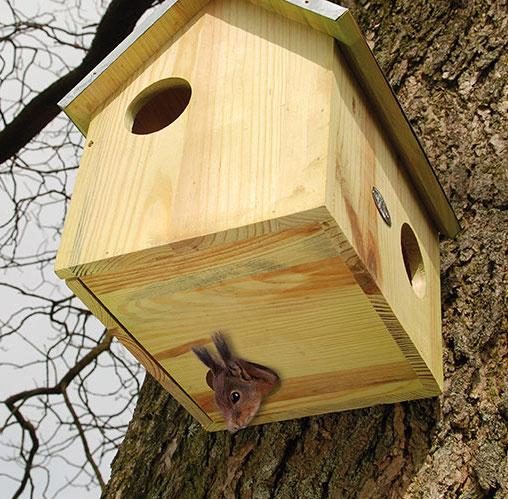
    Enriching your backyard with wildlife is a rewarding endeavor, and providing a safe haven for squirrels through a well-constructed den box can be a wonderful way to contribute to their well-being. This guide will equip you with the knowledge and steps necessary to build your own squirrel den box, ensuring a cozy and secure dwelling for these playful creatures.

    Choosing the Right Location

    Selecting an appropriate location for your squirrel den box is crucial to ensure its success. Consider the following factors:

    Sun Exposure and Shade

    Choose a spot that offers a balance of sun exposure and shade. Direct sunlight can make the box unbearably hot, while constant shade might attract unwanted pests. Aim for a location with morning sun and afternoon shade.

    Height and Visibility

    Mount the box at a height of 6-10 feet, providing squirrels with a safe distance from predators and potential disturbances. Place it on a sturdy branch or against a tree trunk, ensuring clear visibility and easy access for the squirrels.

    Proximity to Resources

    Locate the box near natural food sources such as trees, shrubs, or bird feeders, providing easy access to sustenance. Additionally, consider its proximity to water sources like ponds or bird baths.

    Materials and Tools

    Before embarking on your building journey, gather the necessary materials and tools:

    Wood

    Use durable, rot-resistant wood like cedar, redwood, or pressure-treated pine. Avoid using plywood, as it can splinter and pose hazards to the squirrels.

    Fasteners

    Opt for galvanized nails or screws for added durability and resistance to rust. Avoid using glue, as it can hinder future inspections or repairs.

    Roofing Material

    Use a waterproof material like asphalt shingles or metal roofing to protect the box from the elements. Ensure it overlaps sufficiently to prevent leaks.

    Ventilation

    Install a ventilation panel on the back or side of the box using a piece of hardware cloth or metal mesh. This allows for airflow and prevents condensation build-up inside.

    Other Supplies

    You'll also need:

    • Measuring tape
    • Level
    • Circular saw or jigsaw
    • Drill
    • Safety glasses and gloves
    • Paints or stains (optional)

    Construction Steps

    Follow these step-by-step instructions to construct your squirrel den box:

    Building the Base

    1. Cut two pieces of wood for the base, each measuring 12 inches long and 8 inches wide. 2. Cut two side pieces, each measuring 8 inches long and 6 inches wide. 3. Attach the side pieces to the base using screws, creating a rectangular frame. 4. Repeat steps 1-3 to construct a second base and side pieces. 5. Join the two bases with the side pieces, forming a box with an open top.

    Adding the Back and Front

    1. Cut two pieces of wood for the back and front, each measuring 12 inches long and 6 inches wide. 2. Attach the back and front pieces to the box frame using screws. 3. Ensure that the front piece is slightly narrower than the back, creating a small overhang for the roof. 4. Attach the ventilation panel to the back piece, leaving a gap for airflow. 5. Cut a small circular opening on the front piece for entry. Make the opening approximately 3-4 inches in diameter.

    Building the Roof

    1. Cut two pieces of wood for the roof, each measuring 14 inches long and 8 inches wide. 2. Attach the roof pieces to the top of the box using screws, ensuring they overlap slightly. 3. Secure the roof to the back piece with a hinge or bracket, allowing it to be opened for cleaning and inspection. 4. Install a waterproof roofing material over the roof. 5. Ensure that the roof overhangs the front and sides of the box to provide protection from rain.

    Maintenance and Cleaning

    To ensure the longevity and safety of your squirrel den box, follow these maintenance tips:

    • Regularly inspect the box for signs of damage or wear. Replace any damaged parts promptly.
    • Clean the box at least twice a year, ideally in spring and fall. Remove old nesting materials, debris, and droppings.
    • Consider using a mild disinfectant to sanitize the box. Avoid using strong chemicals, as they can be harmful to squirrels.
    • Monitor the box for signs of infestation or disease. If you suspect a problem, contact a wildlife rehabilitation center for guidance.

    Tips for Attracting Squirrels

    Once your den box is constructed, follow these tips to entice squirrels to make it their home:

    • Place the box near a food source. Squirrels are more likely to inhabit a den box that provides easy access to food.
    • Provide a nearby water source. A shallow dish of water, particularly during hot weather, can attract squirrels to the area.
    • Avoid using any toxic pesticides or herbicides in your yard. These substances can harm squirrels and make your yard less hospitable.
    • Be patient. It may take some time for squirrels to discover and occupy the den box. Don't be discouraged if it remains unoccupied for a while.

    By following this comprehensive guide, you can construct a safe and inviting den box for squirrels, providing a sanctuary for these delightful creatures in your backyard. Remember to enjoy the rewarding experience of attracting wildlife and observing their natural behaviors.

    DIY Cold Frame Kits: Simplifying the Process

    DIY Cold Frame Kits: Simplifying the Process

    DIY Cold Frame Kits: Simplifying the Process

    Embrace the joy of gardening with a DIY cold frame kit! These kits are the perfect solution for extending your growing season and nurturing seedlings. Building a cold frame doesn't have to be daunting. With a DIY kit, you'll have everything you need to create a warm, inviting space for your plants, all while saving money and enjoying the satisfaction of a hands-on project.

    Benefits of Using a Cold Frame

    Cold frames offer numerous advantages for gardeners of all levels:

    • Extended Growing Season: Shield your plants from harsh weather and provide a warmer microclimate, allowing you to start seeds earlier in the spring and extend your harvest into the fall.
    • Seedling Protection: Protect your delicate seedlings from frost, wind, and harsh sunlight, giving them a head start in life.
    • Improved Germination Rates: The warm, humid environment of a cold frame helps seeds germinate faster and more successfully.
    • Reduced Water Needs: The enclosed space of a cold frame conserves moisture, reducing your watering frequency and ensuring your plants stay hydrated.
    • Increased Plant Health: The controlled environment helps prevent pests and diseases, leading to healthier, more robust plants.

    Choosing the Right DIY Cold Frame Kit

    With so many DIY cold frame kits available, it's crucial to choose one that aligns with your needs and gardening style. Consider the following factors:

    Size and Dimensions

    Determine the size of cold frame that suits your garden space and the number of plants you intend to cultivate. Smaller kits are ideal for starting seeds and small plants, while larger kits can accommodate more mature plants or even vegetables.

    Materials and Construction

    Kits are made from various materials, including wood, plastic, and metal. Wood frames offer a classic look and excellent insulation, while plastic and metal options are often more budget-friendly and lightweight.

    Features and Accessories

    Consider features such as ventilation options, adjustable lids, and built-in shelving. Some kits also include a glazing material, such as glass or polycarbonate, which provides optimal light transmission.

    Steps for Assembling a DIY Cold Frame Kit

    Assembling your cold frame is a straightforward process that involves these steps:

    1. Prepare the Site: Select a sunny location with good drainage. Level the ground and prepare the soil.
    2. Assemble the Frame: Follow the manufacturer's instructions to assemble the frame.
    3. Install the Glazing: Carefully install the glazing material, ensuring a secure fit.
    4. Place and Fill the Cold Frame: Position the cold frame over the prepared soil and fill it with your desired planting medium.
    5. Start Planting: Begin planting your seeds or transplanting seedlings into the cold frame.
    6. Monitor and Maintain: Regularly check the temperature and humidity levels, adjusting the ventilation as needed.

    Tips for Success with Your DIY Cold Frame

    Follow these tips to maximize the benefits of your DIY cold frame:

    • Ventilation: Ensure proper ventilation to prevent moisture buildup and overheating.
    • Light: Provide adequate sunlight, especially during the winter months.
    • Watering: Monitor moisture levels and water as needed.
    • Temperature Control: Use a thermometer to monitor the temperature and adjust the ventilation accordingly.
    • Pest Control: Check for pests and take appropriate measures to control them.

    A DIY cold frame kit is a rewarding investment for any gardener. It's a simple, affordable, and effective way to extend your growing season, protect your plants, and enjoy the fruits of your labor. With a little effort and the right kit, you can create a flourishing haven for your plants and reap the benefits of an extended gardening season.

    Step-by-Step Squirrel Den Box Construction Guide

    Step-by-Step Squirrel Den Box Construction Guide

    Building a Squirrel Den Box: A Step-by-Step Guide

    Hey there, nature enthusiasts! Are you looking to add a touch of wild charm to your backyard? Building a squirrel den box is a fantastic way to attract these adorable, energetic creatures and witness their fascinating antics up close. It's a rewarding project that can be completed in a weekend, and you'll be amazed at how quickly your new squirrel tenants move in!

    Why Build a Squirrel Den Box?

    Before we dive into the construction, let's talk about why these den boxes are so beneficial. Squirrels, those fuzzy bundles of energy, play an important role in the ecosystem. They help disperse seeds, control insect populations, and even aerate the soil with their digging. But, finding safe and secure nesting spots can be challenging for them, especially in urban environments. A squirrel den box provides a cozy refuge for raising young, escaping harsh weather, and storing food for the colder months.

    Materials You'll Need

    To build a squirrel den box, you'll need a few basic supplies. Don't worry, most of these are readily available at your local hardware store.

    • Wood: Choose a durable and weather-resistant wood, like cedar, redwood, or pressure-treated lumber. You'll need around 6-8 board feet, depending on the size you desire.
    • Screws: Use galvanized or stainless steel screws for long-lasting strength.
    • Hammer: A good trusty hammer will be helpful for nailing in some pieces.
    • Measuring Tape: Ensure all your measurements are accurate!
    • Saw: Choose a saw that you're comfortable with, be it a circular saw, a handsaw, or a jigsaw.
    • Drill: A drill with appropriate drill bits will be needed for pilot holes and attaching the hardware.
    • Level: This will help you ensure the box is properly aligned for a secure and stable installation.
    • Safety Glasses: Protect your eyes from flying sawdust!
    • Optional: Exterior stain or paint for a more polished look. However, keep in mind that natural wood offers the best protection for the squirrels.

    Design & Dimensions

    Here's where you can get creative! While there's no strict rulebook for squirrel den box design, there are a few key dimensions to keep in mind for a comfortable and welcoming home:

    • Height: A box with a height of 12-18 inches is a good starting point. This allows ample space for a family of squirrels.
    • Width: An ideal width is 10-12 inches. This provides enough room for the squirrels to turn around comfortably.
    • Depth: A depth of 10-12 inches is also recommended. This provides a spacious nesting area.
    • Entrance Hole: Make the entrance hole 3-4 inches in diameter. This size is perfect for squirrels and discourages larger predators from entering.
    • Floor: The floor should be solid and sturdy to support the weight of the squirrels.

    Step-by-Step Construction

    Now, let's get those hands dirty and start building! Follow these steps to create your squirrel den box:

    1. Cut the Wood

    Using your saw, cut the wood to the dimensions you've chosen. You'll need four side pieces, a bottom, and a top. You can either make the top removable for cleaning or solid, depending on your preference. If making a removable top, cut it slightly smaller than the bottom piece to allow for a snug fit.

    2. Assemble the Sides

    Place the bottom piece flat on your work surface. Using screws, attach the four side pieces to the bottom, creating a box shape. Ensure the sides are flush and level. Don't forget to pre-drill holes before screwing to prevent wood splitting.

    3. Create the Entrance

    Carefully cut the entrance hole in one of the side pieces. Ensure the hole is smooth and free of any sharp edges that could injure the squirrels.

    4. Attach the Top

    If you've opted for a removable top, attach it to the box using hinges. This will allow you to open the box easily for cleaning or checking on the squirrels. If you have a solid top, simply attach it to the box using screws.

    5. Finishing Touches

    Once the box is assembled, you can add a coat of exterior stain or paint if desired. If using a stain, make sure it's non-toxic and safe for wildlife. A light sanding before applying the stain will ensure a smooth finish.

    Placing and Installing the Den Box

    Now that your squirrel den box is complete, it's time to find the perfect spot in your backyard to install it. Choose a location that meets these criteria:

    • Shade: Squirrels prefer a shady spot to escape the heat of the sun.
    • Height: Place the box at least 10 feet off the ground, using a sturdy branch or a post. This will make it more difficult for predators to reach the squirrels.
    • Protection: Install the box where it's protected from harsh weather conditions, such as strong winds or heavy rain.
    • Access: Ensure the entrance hole faces away from prevailing winds and is accessible for squirrels to easily enter and exit.

    Tips for Attracting Squirrels

    You've built the perfect den box, but how do you entice those cute critters to move in? Here are a few tips to attract squirrels to your backyard:

    • Provide Food: Squirrels love nuts, seeds, and fruits. You can place a small feeder near the den box, offering a delicious welcome treat.
    • Offer Water: Place a shallow dish of water nearby, especially during hot weather. Squirrels need to stay hydrated.
    • Create a Habitat: Plant native trees and shrubs that provide squirrels with food, shelter, and nesting materials. Squirrels are attracted to areas with plenty of vegetation.
    • Be Patient: It may take some time for squirrels to discover the den box. Be patient and keep an eye out for signs of activity.

    Enjoy Your New Squirrel Tenants

    Congratulations! You've now created a welcoming home for squirrels in your backyard. Enjoy watching them scamper, play, and nest. You'll be amazed at the joy and entertainment they bring. Remember to keep the den box clean and maintain it regularly to ensure a safe and healthy environment for your furry friends.

    Crafting Your Own Squirrel Box: Plans & Tips

    Crafting Your Own Squirrel Box: Plans & Tips

    Crafting Your Own Squirrel Box: Plans & Tips

    Welcome to the delightful world of squirrel box building! These charming and functional structures provide a safe haven for these adorable creatures, allowing you to observe their antics up close. Creating your own squirrel box offers a rewarding DIY project that brings a touch of nature to your backyard.

    Whether you're a seasoned woodworker or a novice DIY enthusiast, this comprehensive guide will equip you with the knowledge and step-by-step instructions to construct a squirrel box that's both aesthetically pleasing and welcoming to your furry friends.

    Choosing the Right Materials

    The foundation of any squirrel box lies in the selection of suitable materials. Durability, weather resistance, and safety are paramount considerations.

    Wood Types

    • Cedar: Known for its natural resistance to rot and insects, cedar is a top choice for squirrel box construction. Its pleasant aroma also adds a touch of charm.
    • Redwood: Similar to cedar, redwood offers exceptional durability and weather resistance, making it a reliable option for outdoor structures.
    • Pressure-Treated Pine: While not as naturally resistant as cedar or redwood, pressure-treated pine provides long-lasting protection against moisture and decay when properly treated.
    • Reclaimed Wood: This eco-friendly option can add rustic charm to your squirrel box. Ensure the wood is sound and free of decay before using.

    Hardware

    • Screws: Opt for galvanized or stainless steel screws for long-lasting performance. Use a variety of sizes to accommodate different wood thicknesses.
    • Hinges: Choose heavy-duty hinges designed for outdoor use. They will ensure the lid opens and closes smoothly and securely.
    • Brackets: Strong brackets are essential for supporting the lid and ensuring proper closure. Consider using L-shaped brackets for added stability.

    Additional Supplies

    • Paint or Stain: While not strictly necessary, a coat of paint or stain can enhance the aesthetic appeal and protect the wood from weathering.
    • Roofing Felt: Placing a layer of roofing felt under the shingles will further enhance the weatherproofing of your squirrel box.
    • Shingles: Use asphalt or cedar shingles to create a durable and attractive roof.
    • Hardware Cloth: This sturdy wire mesh is essential for preventing predators from entering the box.

    Squirrel Box Design

    The design of your squirrel box is a matter of personal preference, but there are some general guidelines to follow for optimal functionality and safety:

    Size and Dimensions

    • Height: A box height of 12-16 inches provides adequate space for a squirrel to move around comfortably.
    • Width: A width of 10-12 inches allows for easy entry and exit.
    • Depth: Aim for a depth of 8-10 inches to accommodate a nest and bedding.

    Entry Hole

    • Size: The entry hole should be approximately 3 inches in diameter, allowing squirrels to enter and exit easily while preventing larger predators from entering.
    • Location: Place the entry hole 6-8 inches above the floor of the box to deter snakes and other predators.

    Ventilation

    • Venting Holes: Include 1-2 ventilation holes on the sides of the box to ensure proper airflow and prevent moisture buildup.
    • Size: Ventilation holes should be approximately 1 inch in diameter.

    Roof Design

    • Overhang: A roof overhang of at least 2 inches will protect the entrance and walls from rain and snow.
    • Slope: A gentle slope on the roof will direct rainwater away from the box.

    Building the Squirrel Box

    Now, let's dive into the construction process, breaking it down into manageable steps:

    Step 1: Cutting the Wood

    • Cut the wood pieces according to your chosen design and dimensions. Use a saw that provides precise cuts, such as a circular saw or table saw.

    Step 2: Assembling the Base and Walls

    • Connect the base pieces using screws or nails.
    • Attach the side walls to the base, ensuring square corners.
    • Secure the back wall to the sides and base.

    Step 3: Creating the Entry Hole

    • Drill a pilot hole at the location for the entry hole.
    • Carefully cut the entry hole using a jigsaw or a drill bit designed for cutting large holes.
    • Smooth any rough edges.

    Step 4: Attaching the Roof

    • Cut two pieces of wood for the roof, making sure the length is slightly longer than the width of the box to create an overhang.
    • Attach the roof pieces to the box using screws or nails, ensuring a tight fit.
    • Install hinges on one side of the roof for easy access.

    Step 5: Installing Hardware Cloth

    • Cut a piece of hardware cloth that is slightly larger than the entry hole.
    • Staple or secure the hardware cloth over the entry hole from the inside of the box, ensuring it fits tightly to deter predators.

    Step 6: Adding Ventilation Holes

    • Drill ventilation holes on the sides of the box, spacing them evenly.

    Step 7: Building the Roof and Shingles

    • Attach a piece of roofing felt to the underside of the roof, extending it beyond the edges to enhance weatherproofing.
    • Secure shingles to the roof, starting from the bottom and overlapping each row to create a watertight seal.

    Step 8: Finishing Touches

    • Paint or stain the box to your liking, using exterior-grade products for durability.
    • Install a strong bracket or hook on the back of the box to help secure it to a tree or post.

    Placing Your Squirrel Box

    Choosing the right location for your squirrel box will increase its appeal to your furry tenants and ensure their safety. Here are key factors to consider:

    Tree Selection

    • Sturdy Trunk: Choose a tree with a strong trunk that can support the weight of the box.
    • Height: Aim for a height of 10-15 feet above the ground. This provides the squirrels with a sense of security and reduces the risk of predation.
    • Branches: Look for a tree with branches that extend outward, providing easy access to the box.

    Placement

    • Facing: Orient the entry hole away from prevailing winds and heavy rain.
    • Proximity to Food Sources: Place the box near sources of food, such as nut-bearing trees, feeders, or gardens.
    • Protection: Ensure the box is placed in an area with some natural cover, such as dense foliage, to provide camouflage and additional protection.

    Tips for Success

    Follow these tips for greater success in attracting squirrels to your new box:

    • Clean Regularly: Clean the box regularly to prevent the buildup of parasites and disease.
    • Provide Nesting Materials: Place a handful of soft nesting materials, such as shredded paper or straw, inside the box to encourage squirrels to build their nest.
    • Offer Food: Provide a nearby food source, such as a squirrel feeder or a nut-bearing tree, to entice squirrels to visit the box.
    • Be Patient: It may take some time for squirrels to discover and accept the box, so be patient and observe from a distance.

    Building a squirrel box is a fun and rewarding DIY project that will bring a touch of nature to your backyard. With careful planning, quality materials, and a bit of patience, you can create a welcoming home for these fascinating creatures, bringing joy and a sense of connection to the wild world around you.

    A DIY Guide to Building the Perfect Bedside Cabinet (Download PDF)

    A DIY Guide to Building the Perfect Bedside Cabinet (Download PDF)

    DIY Guide to Building the Perfect Bedside Cabinet

    A well-designed bedside cabinet is more than just a storage solution; it’s a functional and stylish addition to your bedroom. Building your own allows you to customize it to fit your exact needs and style preferences, ensuring a perfect fit for your space. This comprehensive guide will walk you through the process of building the perfect bedside cabinet, from planning to finishing touches.

    1. Planning Your Bedside Cabinet

    Before you grab your tools, it’s crucial to plan out your project. This involves determining the size, style, and features of your ideal bedside cabinet.

    1.1. Determine the Size and Shape

    Consider the following factors when deciding on the size and shape of your cabinet:

    • Available Space: Measure the available space next to your bed to ensure the cabinet fits comfortably.
    • Storage Needs: Think about what you’ll be storing in the cabinet. Will you need drawers, shelves, or both?
    • Desired Style: The size and shape of the cabinet should complement the overall style of your bedroom.

    1.2. Choose Materials and Design

    The materials you choose will influence the look, durability, and cost of your cabinet. Some popular options include:

    • Plywood: Strong, affordable, and readily available in various thicknesses.
    • Solid Wood: Offers a classic look and durability, but can be more expensive.
    • Medium-Density Fiberboard (MDF): Smooth surface, easy to work with, and budget-friendly.

    Consider the design elements you want to incorporate, such as:

    • Doors or Drawers: Decide whether you need doors, drawers, or a combination of both.
    • Hardware: Choose handles, knobs, and hinges that match your style.
    • Finish: Select a stain or paint that complements the rest of your bedroom furniture.

    2. Gathering Tools and Materials

    Once you have a clear design in mind, gather the necessary tools and materials.

    2.1. Tools

    • Tape Measure
    • Pencil
    • Saw (Circular, Table, or Jigsaw)
    • Drill
    • Screwdriver
    • Clamps
    • Sandpaper (Various grits)
    • Level
    • Safety Glasses
    • Dust Mask
    • Work Gloves

    2.2. Materials

    • Wood (Plywood, Solid Wood, or MDF)
    • Wood Glue
    • Screws
    • Finishing Nails (Optional)
    • Wood Filler (Optional)
    • Stain or Paint (Optional)
    • Polyurethane or Varnish (Optional)
    • Hardware (Handles, Knobs, Hinges)

    3. Building the Cabinet Frame

    Start by building the sturdy frame that will support the rest of the cabinet.

    3.1. Cut the Pieces

    Use your saw to cut the wood into the desired lengths based on your design. Mark the pieces clearly and use a straight edge to ensure accurate cuts.

    3.2. Assemble the Frame

    Use wood glue and screws to join the pieces together to form the frame. Clamp the pieces securely until the glue dries. Ensure all corners are square and the frame is level.

    4. Adding Shelves and Drawers (Optional)

    Depending on your design, you can add shelves and drawers to the cabinet.

    4.1. Shelves

    Cut shelves to size and attach them to the cabinet frame using screws or shelf supports. For added strength, you can also use wood glue.

    4.2. Drawers

    Building drawers requires more detailed steps.

    • Cut drawer sides, front, and back panels to size.
    • Join the pieces together to form the drawer box.
    • Add drawer slides to the cabinet frame and drawer box.
    • Attach the drawer front to the drawer box.

    5. Finishing Touches

    Once the structure is complete, it’s time to add finishing touches that enhance both the look and functionality of your bedside cabinet.

    5.1. Sanding and Filling

    Sand the cabinet surfaces with progressively finer grits of sandpaper to create a smooth finish. Fill any gaps or imperfections with wood filler, let it dry, and sand again for a seamless appearance.

    5.2. Staining or Painting

    If desired, apply a stain or paint to the cabinet. Follow the manufacturer's instructions for application and drying time.

    5.3. Applying Protective Finish (Optional)

    Protect your cabinet's finish with a polyurethane or varnish. This will create a durable, water-resistant surface.

    5.4. Installing Hardware

    Attach handles, knobs, hinges, and other hardware. Ensure they are installed securely and aligned correctly.

    6. Enjoy Your New Bedside Cabinet

    Your new bedside cabinet is now ready to be enjoyed! Place it next to your bed, organize your belongings, and admire your handiwork. With its unique design and thoughtful features, it will become a treasured addition to your bedroom, offering both practicality and style.

    Easy Squirrel Den Box Plans for All Levels

    Easy Squirrel Den Box Plans for All Levels

    Easy Squirrel Den Box Plans for All Levels

    Welcome to the world of squirrel den box building! Whether you're a seasoned woodworker or just starting out, building a cozy den for these furry friends is a rewarding project. This guide will walk you through the steps, from choosing the right materials to constructing your very own squirrel haven.

    Getting Started: Choosing the Right Materials

    The first step is choosing the right materials. You want something durable, weather-resistant, and safe for the squirrels. Here's a breakdown:

    Wood

    For the box itself, opt for untreated, rough-sawn lumber like cedar or redwood. These woods naturally resist rot and insects. Avoid pressure-treated lumber as it contains chemicals harmful to squirrels.

    Hardware

    You'll need some basic hardware:

    • Galvanized screws or nails for secure assembly
    • Heavy-duty hinges (if you want a hinged roof for easy cleaning)
    • Weatherproof sealant to prevent leaks

    Building the Box

    Now for the fun part! Let's construct the den box. Here's a step-by-step guide:

    Step 1: Cut the Wood

    Measure and cut your lumber according to your chosen design. Most squirrel den boxes are around 12" wide, 12" deep, and 18" high. You'll need four side panels, a bottom panel, a back panel, a front panel, and a roof.

    Step 2: Assemble the Base

    Start by attaching the bottom panel to the four side panels. Secure them with screws or nails. Ensure the corners are square and the base is sturdy.

    Step 3: Attach the Back Panel

    Next, attach the back panel to the base. Make sure it's flush with the side panels and secure it well.

    Step 4: Create the Entrance Hole

    On the front panel, create the entrance hole. It should be about 3" in diameter, high enough for squirrels to easily enter and exit. Use a jigsaw or drill with a hole saw to create the hole.

    Step 5: Attach the Front Panel

    Attach the front panel to the base, making sure the entrance hole is positioned where you want it.

    Step 6: Add the Roof

    Create the roof using the two remaining wood panels. Attach them to the top of the box, overlapping slightly to create a watertight seal. If you prefer a hinged roof for easy cleaning, attach hinges before securing the roof.

    Step 7: Seal and Finish

    Use weatherproof sealant around all joints and seams to prevent leaks. Let the sealant dry thoroughly.

    Installing the Squirrel Den Box

    Now it's time to find the perfect spot for your squirrel den. Here are some tips:

    • Choose a location near trees for easy access.
    • Mount the box at least 10 feet above the ground to deter predators.
    • Securely mount the box to a tree or post using heavy-duty straps or brackets.

    Encouraging Squirrel Occupancy

    Once your den box is installed, encourage your furry friends to move in:

    • Place a small amount of nesting material inside, like shredded paper or cloth.
    • Offer a few peanuts or sunflower seeds nearby to attract squirrels to the area.

    With a little effort and these easy plans, you can provide a safe and welcoming home for squirrels in your backyard. Enjoy watching these adorable creatures as they settle into their new abode!

    Quick and Easy Cold Frame Plans for Beginners

    Quick and Easy Cold Frame Plans for Beginners

    Quick and Easy Cold Frame Plans for Beginners

    Hey there, gardening enthusiast! Are you itching to get your hands dirty and grow amazing plants, but the weather isn't quite cooperating? Don't fret! A cold frame is your secret weapon to extending your growing season, protecting delicate seedlings, and giving your plants a head start. And the best part? Building a cold frame is easier than you might think. Even if you're a total DIY newbie, you can whip one up with some basic materials and a little bit of know-how.

    Think of a cold frame as a mini greenhouse, a cozy little shelter for your plants to thrive. It traps heat from the sun, creating a microclimate that's warmer than the surrounding air, even during those chilly months. And that's where the magic happens! You can start seeds earlier, grow tender crops longer, and even overwinter some plants, all thanks to the simple power of a cold frame.

    Ready to jump in? Let's build a cold frame together. We'll start with the basics and then explore a few different designs. You'll be amazed at how easy it is to create your very own plant sanctuary!

    Choosing the Right Cold Frame Design for You

    When it comes to cold frame designs, you've got options! Here's a quick rundown of the most popular types:

    1. The Classic Cold Frame

    This is your classic, tried-and-true design â€" a rectangular box with a hinged lid. It's simple, versatile, and a great option for beginners. You can build it from scratch or find prefabricated kits.

    2. The Lean-To Cold Frame

    This type is essentially a cold frame attached to a wall or a fence. It's great for maximizing space and taking advantage of existing structures.

    3. The Walk-In Cold Frame

    If you're looking for a larger cold frame for more serious gardening, this is your guy. It's basically a mini greenhouse you can actually walk inside!

    Materials You'll Need

    Let's get practical. Here are some of the common materials you'll need for your DIY cold frame adventure:

  • Wood: A sturdy wood like cedar, redwood, or treated lumber will hold up well against the elements.
  • Glass or Polycarbonate Panels: These are great for letting in light and trapping heat.
  • Hinges: You'll need these for the lid, unless you're opting for a removable lid.
  • Screws or Nails: For assembling your cold frame.
  • Waterproof sealant: To keep your cold frame watertight.
  • Optional: You can add insulation like foam or fiberglass for colder climates.
  • Step-By-Step Instructions for Building a Classic Cold Frame

    Alright, let's get our hands dirty! We'll be building a classic cold frame, the trusty rectangular box with a hinged lid. Here's what you'll need to do:

    1. Gather Your Materials and Tools:

    Before you get started, make sure you have everything you need:

  • Wood (for the frame and lid)
  • Glass or polycarbonate panels
  • Hinges
  • Screws or nails
  • Waterproof sealant
  • Measuring tape
  • Level
  • Saw
  • Drill
  • Screwdriver
  • Safety goggles
  • Work gloves
  • 2. Measure and Cut the Wood:

    Decide on the dimensions for your cold frame. You'll need four sides for the base and four sides for the lid. Measure and cut the wood accurately.

    3. Assemble the Base:

    Lay out your base pieces on a flat surface. Join them together at the corners using screws or nails. Make sure the corners are square and sturdy.

    4. Build the Lid:

    Repeat the assembly process for the lid, using the same dimensions as the base.

    5. Attach the Hinges:

    Screw the hinges to the lid and the back side of the base.

    6. Install the Glazing:

    If you're using glass, carefully fit the panes into the frame and secure them with glazing points or clips. For polycarbonate panels, you can use screws or a sealant.

    7. Seal Any Gaps:

    Use waterproof sealant to fill in any gaps or cracks around the glazing to ensure your cold frame is weatherproof.

    8. Find the Perfect Spot:

    Choose a sunny spot in your garden for your cold frame. Make sure it's level and has good drainage.

    9. Enjoy Your New Cold Frame!

    And that's it! You've built your very own cold frame. Now, go on and enjoy the benefits of extending your growing season and nurturing your plants!

    Tips and Tricks for Success

    Here are a few extra tips to help you get the most out of your cold frame:

  • Ventilation is key: Open the lid during the day to allow for air circulation.
  • Monitor the temperature: Use a thermometer to keep track of the inside temperature.
  • Water wisely: Check the soil moisture regularly and water as needed.
  • Clean regularly: Wipe down the glass or polycarbonate to ensure optimal light transmission.
  • Add a layer of insulation: Consider adding insulation like foam or fiberglass in colder climates.
  • What to Grow in Your Cold Frame

    The possibilities are endless! Here are some ideas for plants that thrive in a cold frame:

  • Vegetables: Lettuce, spinach, kale, radishes, carrots, onions, peas
  • Flowers: Pansies, violas, petunias, snapdragons
  • Herbs: Basil, cilantro, parsley, rosemary, thyme
  • And there you have it! Building a cold frame is a fun and rewarding project that can transform your gardening. So, get out there and build your own! Your plants will thank you for it.

    Crafting a large wooden desk for open spaces: diy plans

    Crafting a large wooden desk for open spaces: diy plans

    Craft a Large Wooden Desk for Open Spaces: DIY Plans

    In the realm of DIY projects, crafting a large wooden desk can be a rewarding endeavor. This project allows you to personalize your workspace, transforming an open space into a functional and stylish haven. From selecting the right wood to assembling the components, this detailed guide will walk you through the process, empowering you to create a desk that reflects your individual style and needs.

    Choosing Your Lumber

    The foundation of any sturdy desk lies in the quality of the lumber. Consider the following factors:

    Wood Species

    Hardwoods such as oak, maple, cherry, and walnut offer durability, rich grain patterns, and a natural elegance. Softwoods like pine, fir, and cedar are more affordable but may require additional treatment to resist scratches and wear.

    Wood Thickness

    For a substantial desk, aim for lumber that is at least 1.5 inches thick. This thickness provides stability and prevents sagging over time.

    Wood Quality

    Inspect the lumber for knots, cracks, and other imperfections. Choose wood with a consistent grain pattern for a visually appealing desk.

    Designing Your Desk

    Before you begin cutting and assembling, sketch out your desk design. Consider the following:

    Dimensions

    Measure the available space and determine the desired length, width, and height of your desk. Allow ample legroom and working space.

    Style

    Do you envision a sleek modern desk, a rustic farmhouse style, or a traditional design? Explore different options to find a style that complements your decor.

    Features

    Think about the features you need, such as drawers, shelves, and a keyboard tray. These elements can enhance functionality and organization.

    Tools and Materials

    Gather the following tools and materials to ensure a smooth and successful build:

    Tools

    • Table saw or circular saw
    • Miter saw
    • Drill and drill bits
    • Screwdriver
    • Clamps
    • Sandpaper
    • Measuring tape
    • Level
    • Pencil
    • Safety glasses
    • Dust mask

    Materials

    • Lumber (based on your design)
    • Wood glue
    • Wood screws
    • Finish (stain, paint, or sealant)
    • Optional: Drawer slides, hardware, and other accessories

    Building the Desk

    Now, it's time to put your design into action:

    Cutting the Pieces

    Carefully cut the lumber according to your measurements. Use a miter saw for precise angles and a table saw for straight cuts.

    Assembling the Frame

    Start by assembling the main frame of the desk. Use wood glue and screws to join the top, sides, and legs securely. Ensure that all corners are square and level.

    Adding Drawers or Shelves

    If your design includes drawers or shelves, assemble them separately and then attach them to the frame.

    Finishing Touches

    Once the desk is assembled, smooth out any rough edges with sandpaper. Apply your chosen finish, allowing each coat to dry completely before applying the next.

    Enjoying Your New Desk

    Congratulations! You have successfully crafted a large wooden desk that will enhance your open space. Take pride in your accomplishment, and enjoy the comfort and functionality that your handmade desk provides.

    Remember, this is just a guide. Feel free to adapt the design and techniques to suit your specific needs and preferences. Let your creativity flow, and embrace the joy of creating something truly unique.