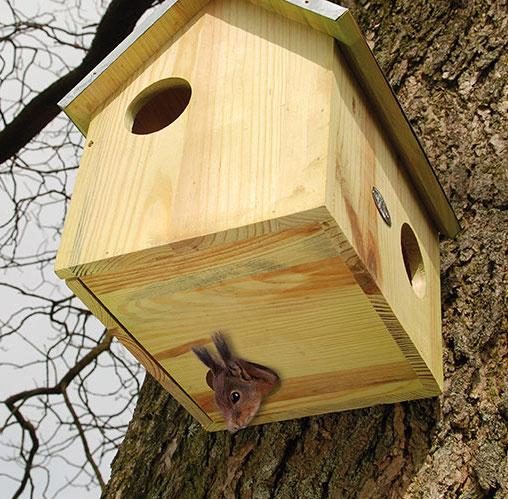
Crafting Your Own Squirrel Box: Plans & Tips
Welcome to the delightful world of squirrel box building! These charming and functional structures provide a safe haven for these adorable creatures, allowing you to observe their antics up close. Creating your own squirrel box offers a rewarding DIY project that brings a touch of nature to your backyard.
Whether you're a seasoned woodworker or a novice DIY enthusiast, this comprehensive guide will equip you with the knowledge and step-by-step instructions to construct a squirrel box that's both aesthetically pleasing and welcoming to your furry friends.
Choosing the Right Materials
The foundation of any squirrel box lies in the selection of suitable materials. Durability, weather resistance, and safety are paramount considerations.
Wood Types
- Cedar: Known for its natural resistance to rot and insects, cedar is a top choice for squirrel box construction. Its pleasant aroma also adds a touch of charm.
- Redwood: Similar to cedar, redwood offers exceptional durability and weather resistance, making it a reliable option for outdoor structures.
- Pressure-Treated Pine: While not as naturally resistant as cedar or redwood, pressure-treated pine provides long-lasting protection against moisture and decay when properly treated.
- Reclaimed Wood: This eco-friendly option can add rustic charm to your squirrel box. Ensure the wood is sound and free of decay before using.
Hardware
- Screws: Opt for galvanized or stainless steel screws for long-lasting performance. Use a variety of sizes to accommodate different wood thicknesses.
- Hinges: Choose heavy-duty hinges designed for outdoor use. They will ensure the lid opens and closes smoothly and securely.
- Brackets: Strong brackets are essential for supporting the lid and ensuring proper closure. Consider using L-shaped brackets for added stability.
Additional Supplies
- Paint or Stain: While not strictly necessary, a coat of paint or stain can enhance the aesthetic appeal and protect the wood from weathering.
- Roofing Felt: Placing a layer of roofing felt under the shingles will further enhance the weatherproofing of your squirrel box.
- Shingles: Use asphalt or cedar shingles to create a durable and attractive roof.
- Hardware Cloth: This sturdy wire mesh is essential for preventing predators from entering the box.
Squirrel Box Design
The design of your squirrel box is a matter of personal preference, but there are some general guidelines to follow for optimal functionality and safety:
Size and Dimensions
- Height: A box height of 12-16 inches provides adequate space for a squirrel to move around comfortably.
- Width: A width of 10-12 inches allows for easy entry and exit.
- Depth: Aim for a depth of 8-10 inches to accommodate a nest and bedding.
Entry Hole
- Size: The entry hole should be approximately 3 inches in diameter, allowing squirrels to enter and exit easily while preventing larger predators from entering.
- Location: Place the entry hole 6-8 inches above the floor of the box to deter snakes and other predators.
Ventilation
- Venting Holes: Include 1-2 ventilation holes on the sides of the box to ensure proper airflow and prevent moisture buildup.
- Size: Ventilation holes should be approximately 1 inch in diameter.
Roof Design
- Overhang: A roof overhang of at least 2 inches will protect the entrance and walls from rain and snow.
- Slope: A gentle slope on the roof will direct rainwater away from the box.
Building the Squirrel Box
Now, let's dive into the construction process, breaking it down into manageable steps:
Step 1: Cutting the Wood
- Cut the wood pieces according to your chosen design and dimensions. Use a saw that provides precise cuts, such as a circular saw or table saw.
Step 2: Assembling the Base and Walls
- Connect the base pieces using screws or nails.
- Attach the side walls to the base, ensuring square corners.
- Secure the back wall to the sides and base.
Step 3: Creating the Entry Hole
- Drill a pilot hole at the location for the entry hole.
- Carefully cut the entry hole using a jigsaw or a drill bit designed for cutting large holes.
- Smooth any rough edges.
Step 4: Attaching the Roof
- Cut two pieces of wood for the roof, making sure the length is slightly longer than the width of the box to create an overhang.
- Attach the roof pieces to the box using screws or nails, ensuring a tight fit.
- Install hinges on one side of the roof for easy access.
Step 5: Installing Hardware Cloth
- Cut a piece of hardware cloth that is slightly larger than the entry hole.
- Staple or secure the hardware cloth over the entry hole from the inside of the box, ensuring it fits tightly to deter predators.
Step 6: Adding Ventilation Holes
- Drill ventilation holes on the sides of the box, spacing them evenly.
Step 7: Building the Roof and Shingles
- Attach a piece of roofing felt to the underside of the roof, extending it beyond the edges to enhance weatherproofing.
- Secure shingles to the roof, starting from the bottom and overlapping each row to create a watertight seal.
Step 8: Finishing Touches
- Paint or stain the box to your liking, using exterior-grade products for durability.
- Install a strong bracket or hook on the back of the box to help secure it to a tree or post.
Placing Your Squirrel Box
Choosing the right location for your squirrel box will increase its appeal to your furry tenants and ensure their safety. Here are key factors to consider:
Tree Selection
- Sturdy Trunk: Choose a tree with a strong trunk that can support the weight of the box.
- Height: Aim for a height of 10-15 feet above the ground. This provides the squirrels with a sense of security and reduces the risk of predation.
- Branches: Look for a tree with branches that extend outward, providing easy access to the box.
Placement
- Facing: Orient the entry hole away from prevailing winds and heavy rain.
- Proximity to Food Sources: Place the box near sources of food, such as nut-bearing trees, feeders, or gardens.
- Protection: Ensure the box is placed in an area with some natural cover, such as dense foliage, to provide camouflage and additional protection.
Tips for Success
Follow these tips for greater success in attracting squirrels to your new box:
- Clean Regularly: Clean the box regularly to prevent the buildup of parasites and disease.
- Provide Nesting Materials: Place a handful of soft nesting materials, such as shredded paper or straw, inside the box to encourage squirrels to build their nest.
- Offer Food: Provide a nearby food source, such as a squirrel feeder or a nut-bearing tree, to entice squirrels to visit the box.
- Be Patient: It may take some time for squirrels to discover and accept the box, so be patient and observe from a distance.
Building a squirrel box is a fun and rewarding DIY project that will bring a touch of nature to your backyard. With careful planning, quality materials, and a bit of patience, you can create a welcoming home for these fascinating creatures, bringing joy and a sense of connection to the wild world around you.

0 comments:
Post a Comment
Note: Only a member of this blog may post a comment.