Crafting a Rustic Wooden Clock: A DIY Guide
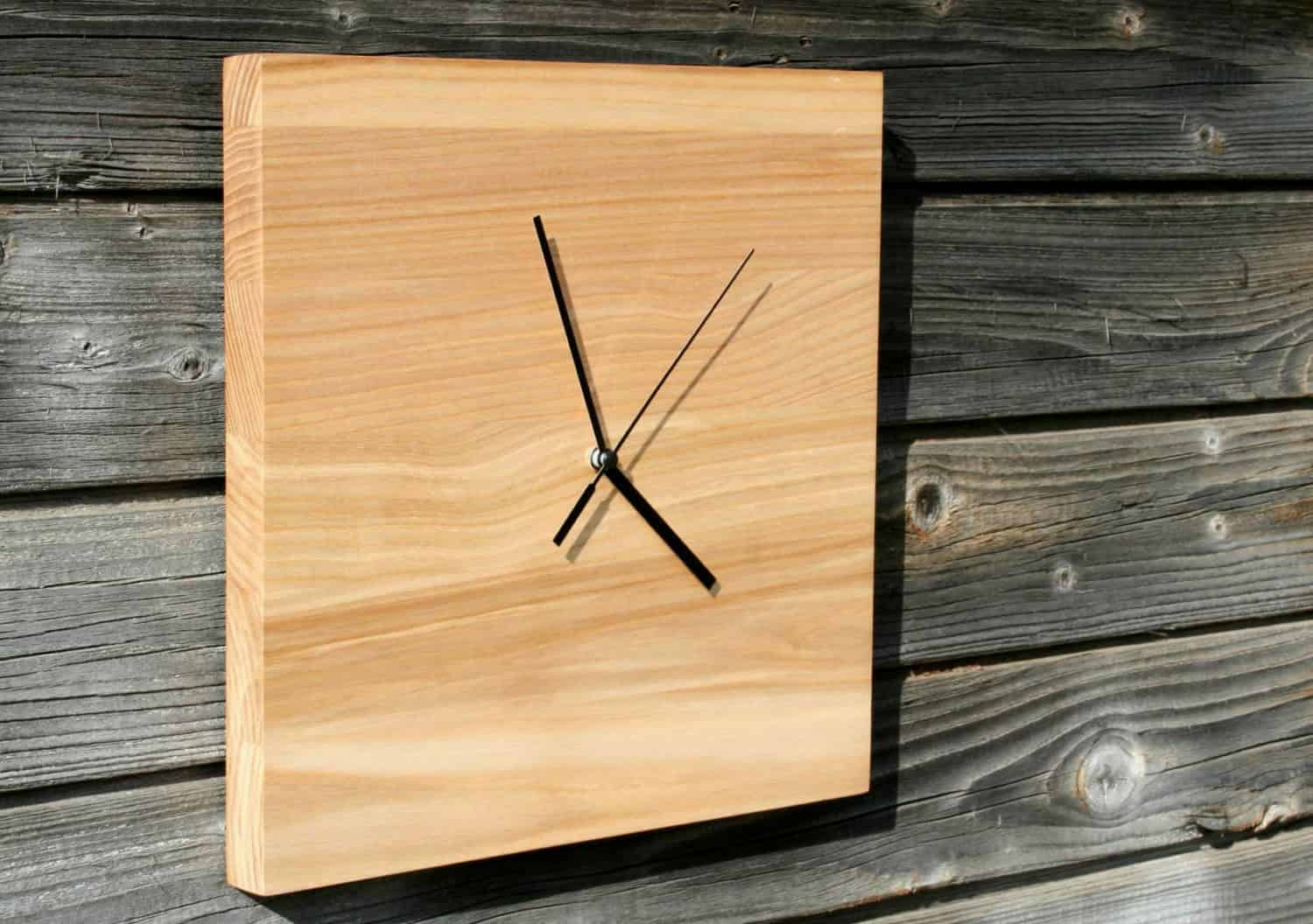
Hey there, crafty folks! Are you ready to add a touch of rustic charm to your home? Well, get those woodworking tools ready because we're about to embark on a DIY adventure to create a beautiful, handcrafted wooden clock. This project is perfect for beginners and seasoned woodworkers alike. It's all about embracing imperfections and letting the natural beauty of wood shine through. So, grab your favorite beverage, put on some tunes, and let's get started!
Gathering Your Supplies
First things first, let's gather our tools and materials. Here's what you'll need:
- A piece of wood (pine, oak, or reclaimed wood are great options)
- Clock mechanism (you can find them at craft stores or online)
- Clock hands (make sure they fit your mechanism)
- Wood glue
- Sandpaper (various grits)
- Wood stain (optional)
- Polyurethane finish (optional)
- Measuring tape
- Pencil
- Drill
- Saw (circular saw or jigsaw)
- Clamps
- Safety glasses
- Dust mask
Choosing the Right Wood
The wood you choose will significantly impact the look and feel of your clock. Here are some popular options:
- Pine: This softwood is affordable, easy to work with, and has a natural, rustic look. It’s perfect for a light and airy feel.
- Oak: Known for its durability and beautiful grain patterns, oak is a solid choice for a more traditional and robust clock.
- Reclaimed Wood: This adds a unique story and character to your clock. Look for salvaged wood from old barns, pallets, or even flooring.
No matter what you choose, make sure the wood is dry and free of knots or cracks that could weaken your clock.
Designing Your Clock Face
Now it's time to get creative! You can either design your own clock face or find a pre-made template online.
- Custom Design: If you’re feeling adventurous, create a simple geometric pattern, use stencils for numbers, or even incorporate natural elements like twigs or leaves.
- Pre-Made Templates: Search for printable clock face templates online or in craft books. These offer a wide variety of styles, from traditional Roman numerals to modern minimalist designs.
Once you’ve chosen your design, transfer it onto your wood using a pencil.
Cutting the Clock Face
Time to unleash your inner carpenter! Using your saw, carefully cut out the shape of your clock face. It’s a good idea to practice on scrap wood first to get a feel for the saw.
- Circular Saw: This is great for straight cuts. Use a guide to ensure a clean and even cut.
- Jigsaw: Perfect for curved or intricate designs. Go slowly and let the blade do the work.
Preparing the Clock Mechanism
Now, let's prep our clock mechanism to make sure it’s ready to go.
- Test the Mechanism: Before attaching it to the wood, wind the mechanism and test it. Make sure it works properly and the hands move smoothly.
- Choose the Placement: Decide where you want to place the mechanism on your clock face. It’s typically centered, but feel free to experiment with different positions for a unique look.
- Mark the Center: Use a pencil to mark the exact center of the mechanism on your wood.
Attaching the Mechanism
Now, let’s securely attach our clock mechanism.
- Drill Pilot Holes: Drill small pilot holes at the marked center of your clock face to prevent the wood from splitting when you screw in the mechanism.
- Attach the Mechanism: Place the mechanism over the pilot holes and screw it into place. Use a screwdriver that matches the size of the screws provided with your mechanism.
Finishing Touches
Almost there! It's time to add the final touches to make your rustic clock truly shine.
- Sanding: Smooth out any rough edges or imperfections on your clock face. Start with coarse sandpaper and work your way to finer grits for a polished finish.
- Staining (Optional): If you want to add a touch of color and enhance the wood's natural grain, apply a wood stain. Choose a color that complements the wood and your overall aesthetic.
- Finishing (Optional): Apply a polyurethane finish to protect your clock from scratches, water, and UV damage. Let it dry completely before moving on.
- Attach the Hands: Finally, carefully attach the clock hands to the mechanism, following the instructions provided with your kit.
- Add Decorative Elements (Optional): Get creative! You can embellish your clock with rustic charm by adding:
- Nails hammered around the edges for a hammered look
- Rope or twine for a farmhouse feel
- Vintage hardware for an antique touch
Hanging Your Rustic Clock
Congratulations! You've created a beautiful and unique rustic clock. Now, let's hang it up and admire your handiwork!
- Choose a Location: Find a spot where your clock will be visible and add a touch of rustic charm to your space.
- Hang Securely: Use a sturdy hook or nail to hang your clock. Make sure it's securely fastened to the wall so it doesn’t fall.
Final Thoughts
And there you have it! A handcrafted rustic wooden clock that you can proudly display in your home. Remember, this is just a guide, so feel free to experiment, personalize, and add your own unique touch. Have fun with the process, enjoy the creative journey, and embrace the beauty of imperfections. Happy crafting!

0 comments:
Post a Comment
Note: Only a member of this blog may post a comment.